Understanding Standing Seam Roofing
Standing seam roofing has become a popular choice among homeowners and commercial property owners alike, owing to its versatility, durability, and aesthetic appeal. This type of roofing system features vertical panels with raised seams, which are mechanically locked together, offering both practicality and a sleek look. As we delve deeper into the world of standing seam roofing, you will discover its unique characteristics, benefits, and why it might be the ideal choice for your next roofing project. When exploring options, Standing Seam Roofing provides comprehensive insights into this innovative roofing solution.
What is Standing Seam Roofing?
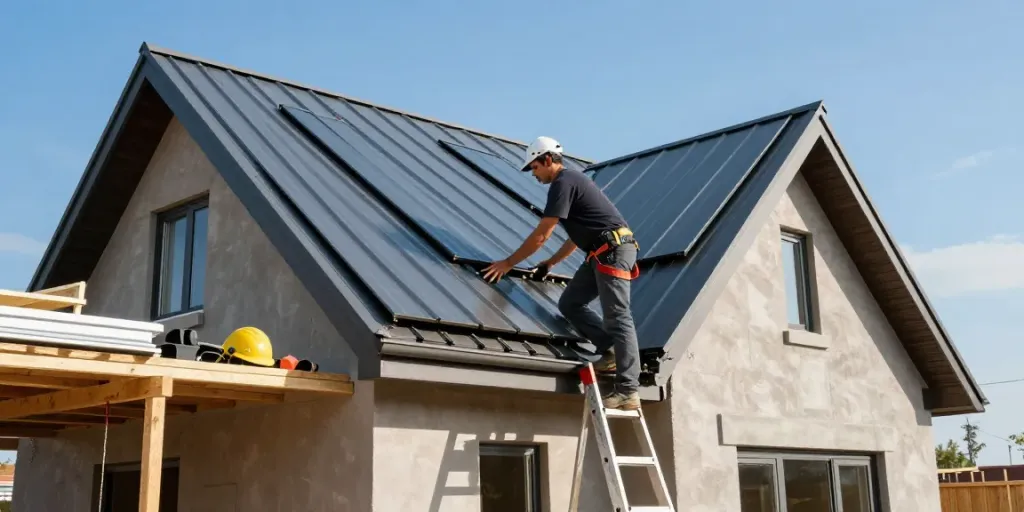
Standing seam roofing is a type of metal roofing characterized by vertical panels with interlocking seams. The seams are typically raised above the plane of the roof, minimizing the ability for water to penetrate and promoting efficient drainage. This roofing style is commonly made of materials such as steel, aluminum, or copper, and is favored for both residential and commercial buildings. The interlocking panels not only enhance aesthetics but also provide excellent structural integrity and longevity.
Components of a Standing Seam Roof
A standing seam roof comprises several key components that work together to create a reliable and durable roofing system. These components include:
- Panels: The main segments that make up the roof, available in different profiles and widths.
- Seams: The raised parts between the panels that lock them together and create waterproof barriers.
- Flashing: Used at joints and transitions to prevent water intrusion.
- Fasteners: Often concealed to maintain the seamless appearance of the roof while providing secure attachment to the structure.
- Underlayment: A layer of protection beneath the panels, enhancing water resistance and adding insulation.
Benefits of Standing Seam Roofing
Standing seam roofing offers numerous advantages that make it a worthwhile investment. Some of these benefits include:
- Durability: Metal roofing is resistant to extreme weather conditions, including heavy rain, snow, and hail.
- Longevity: With proper installation and maintenance, standing seam roofs can last 50 years or more.
- Energy Efficiency: Reflective coatings can minimize heat absorption, leading to lower cooling costs.
- Minimal Maintenance: The design of standing seam roofs reduces the risk of leaks and requires less upkeep compared to other roofing systems.
- Aesthetic Appeal: Available in various colors and finishes, standing seam roofs offer a modern and polished appearance.
Cost Factors of Standing Seam Roofing
Pricing Breakdown: Materials and Installation
The cost of standing seam roofing can vary significantly based on factors such as material choice, roof size, and complexity of installation. Typically, the materials for standing seam roofs can range from $3 to $6 per square foot, while installation costs can add an additional $3 to $10 per square foot. Therefore, homeowners should anticipate total costs between $6 to $16 per square foot, depending on their specific roofing needs.
Long-Term Investment Value
While the upfront cost of standing seam roofing may be higher than that of traditional roofing materials like asphalt shingles, the long-term savings and benefits can outweigh the initial investment. The durability and longevity of standing seam roofs often lead to lower replacement costs over time, making them a financially sound choice for property owners looking for sustainable roofing solutions.
Comparing Costs to Other Roofing Systems
When comparing standing seam roofing to other options, such as asphalt shingles or tile roofing, it is essential to consider the trade-offs. Asphalt shingles can cost significantly less, starting around $1 to $4 per square foot; however, their lifespan is typically only 15 to 30 years, requiring more frequent replacements. In contrast, standing seam roofs offer superior performance and longevity, making them a more cost-effective option in the long run.
Installation Process for Standing Seam Roofing
Preparing for Installation: Key Steps
Proper preparation is crucial for the successful installation of a standing seam roof. Key steps include:
- Roof Inspection: Assessing the existing roof structure for damage or weaknesses is critical before installation.
- Measuring: Accurate measurements of the roof area will ensure the correct quantity of materials is ordered.
- Selection of Materials: Choosing the right material and finish to match the aesthetic and functional needs of the building.
- Weather Considerations: Scheduling installation during favorable weather conditions is vital to avoid complications.
Common Challenges During Installation
While standing seam roofing is generally straightforward to install, several challenges may arise, including:
- Complex Roof Shapes: Roofs with multiple angles or features can complicate the installation process.
- Weather Delays: Inclement weather can halt installation, leading to project delays and potential costs.
- Material Handling: Large and heavy metal panels require careful handling to avoid damage and ensure safety.
Best Practices for a Successful Installation
To achieve a successful installation of standing seam roofing, consider the following best practices:
- Hire Experienced Professionals: Engaging skilled contractors familiar with standing seam roofs will ensure quality workmanship.
- Follow Manufacturer Guidelines: Adhering to manufacturer specifications will enhance the roof's performance and warranty.
- Inspect the Work: Regular checks during installation can help catch issues early and ensure that each stage meets quality standards.
Maintenance and Longevity of Standing Seam Roofing
Routine Maintenance Best Practices
Maintaining your standing seam roof is essential to prolong its lifespan and maximize its performance. Recommended maintenance practices include:
- Regular Inspections: Conduct semi-annual inspections to check for signs of wear or damage.
- Clearing Debris: Keeping the roof free of leaves, branches, and other debris ensures proper drainage and prevents corrosion.
- Gutter Maintenance: Regular cleaning of gutters and downspouts will prevent water backup and potential damage.
How Long Can You Expect Your Roof to Last?
With proper maintenance, a standing seam roof can last anywhere from 50 to 100 years, depending on the materials used and environmental conditions. This longevity makes standing seam roofing a smart investment for property owners looking for durability and reliability.
Signs of Wear and When to Replace
As your standing seam roof ages, you may notice some signs that indicate it's time for repairs or replacement:
- Pooled Water: Areas of standing water can lead to corrosion and leaks.
- Rust and Corrosion: Visible rust on seams or fasteners may indicate deterioration.
- Loose Panels: Panels that are no longer securely fastened may need professional attention.
Future Trends in Standing Seam Roofing
Innovations in Materials and Design
The future of standing seam roofing is promising, with advancements in materials and design expected to enhance performance further. Innovations such as lightweight alloys and eco-friendly coatings are gaining traction, offering increased durability and sustainability.
Sustainability and Environmental Considerations
As the demand for sustainable building practices grows, standing seam roofing is poised to play a significant role. The recyclability of metal roofing and the energy efficiency it offers align with modern eco-friendly initiatives, making it a compelling option for environmentally conscious builders and homeowners.
Anticipated Industry Changes by 2026
By 2026, we can expect the standing seam roofing industry to adopt more smart technologies, including integrated solar solutions and advanced insulation materials. These changes will enhance energy efficiency and performance, positioning standing seam roofs as a top choice for future construction.
Can Standing Seam Roofing Fit Your Needs?
Standing seam roofing is highly versatile, making it suitable for a variety of architectural styles and building types. Whether you are renovating an old structure or starting from scratch, this roofing system can provide both functionality and aesthetic appeal. Consulting with a roofing professional can help determine if standing seam roofing is the right fit for your project.
Where to Find Reliable Installers?
Finding professionals experienced in standing seam roofing is crucial for ensuring quality installation. Look for local contractors with good reviews, certifications, and portfolios showcasing their past work. Networking with local builders or seeking recommendations can also lead you to reliable services in your area.
How Do I Choose the Right Material?
When selecting materials for your standing seam roof, consider factors such as climate, aesthetics, and budget. Common materials include galvanized steel, aluminum, and copper, each offering unique benefits. It’s advantageous to consult with a roofing expert to assess which material will best suit your needs and environment.
Is Standing Seam Roofing Worth the Investment?
In conclusion, while standing seam roofing may entail a higher upfront cost compared to traditional materials, its longevity, minimal maintenance, and energy efficiency make it a worthwhile investment. Property owners looking for durability and modern aesthetics will find that the benefits of standing seam roofing significantly outweigh its initial costs.