Understanding Water Damage Restoration Vancouver
Water damage can strike unexpectedly, wreaking havoc on homes and businesses alike. In Vancouver, where heavy rains and coastal humidity are commonplace, understanding the intricacies of Water Damage Restoration Vancouver is key to protecting your property and maintaining its value. The urgency of water damage restoration cannot be overstated, as prompt action can prevent structural issues, mold growth, and costly repairs.
What is Water Damage Restoration?
Water damage restoration is the process of cleaning, drying, and repairing a property after it has been affected by excessive water. This can result from various sources, such as natural disasters, plumbing failures, or appliance malfunctions. The main goal is to restore the property to its pre-damaged state while addressing any potential health risks that may arise from water exposure.
Importance of Timely Restoration in Vancouver
In Vancouver, the climate contributes to rapid water accumulation, making swift restoration essential. Ignoring water damage can lead to secondary issues like mold infestation and structural weakening, which can escalate repair costs. Therefore, having a reliable restoration partner can be invaluable in mitigating risks and ensuring a safe environment.
Overview of Common Causes of Water Damage
- Heavy Rainfall: Vancouver's rainy season can overwhelm drainage systems, leading to flooding.
- Aging Plumbing: Older pipes are more prone to leaks and bursts, often resulting in significant water damage.
- Appliance Failures: Malfunctioning appliances, such as dishwashers and washing machines, can leak water and cause extensive damage.
- Roof Leaks: Wear and tear on roofs can allow water to infiltrate homes, especially during storms.
- Sewage Backups: Contaminated water poses both health and property risks and requires immediate professional intervention.
Signs of Water Damage in Your Vancouver Home
Early detection of water damage can save you from extensive repairs and health risks. Being able to identify the signs of water damage is crucial for homeowners and property managers alike.
Identifying Early Signs of Water Damage
- Water Stains: Discoloration on walls or ceilings can indicate underlying moisture issues.
- Mold Growth: The presence of mold or a musty odor suggests hidden moisture.
- Peeling Paint or Wallpaper: Bubbling or peeling finishes signal potential water infiltration.
- Increased Humidity: Unusually high humidity levels can indicate water intrusion in the building.
Common Issues Leading to Water Damage
Several factors contribute to water damage risks in residential and commercial properties. Understanding these can help homeowners take proactive measures.
- Blocked Gutters: Clogged gutters can overflow, allowing water to seep into the foundation.
- Improper Grading: Poor landscaping can redirect water towards the building, increasing flood risks.
- Roof Maintenance: Neglecting roof repairs can lead to leaks during heavy rainfall.
- Pest Infestations: Rodents or insects can damage plumbing or roofing, leading to leaks.
How to Conduct a Home Inspection for Water Damage
Regular home inspections are essential for identifying early signs of water damage. Here’s how to conduct an effective inspection:
- Check for visible water stains or discoloration on walls and ceilings.
- Inspect all plumbing fixtures and appliances for leaks.
- Look at the attic and basement for signs of moisture or mold.
- Examine the roof and gutters for debris or damage.
- Monitor humidity levels using a hygrometer.
The Water Damage Restoration Process
Understanding the restoration process can alleviate concerns during a water emergency. Here’s a breakdown of what to expect during the restoration journey.
Step-by-Step Guide to Restoration
- Assessment: A certified technician assesses the property to determine the extent of the damage and the appropriate actions needed.
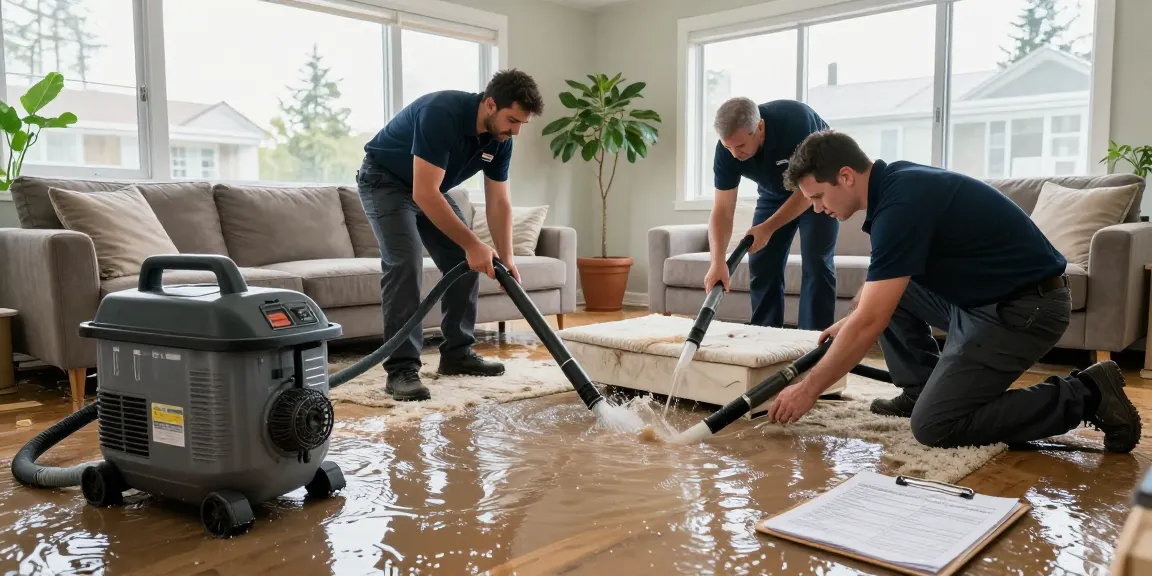
- Water Removal: Powerful pumps and vacuums are used to remove standing water quickly.
- Drying: Industrial dehumidifiers and air movers are employed to dry affected areas thoroughly.
- Cleaning and Sanitizing: All affected surfaces are cleaned, sanitized, and deodorized to remove contaminants.
- Restoration: This final step involves repairing or replacing damaged materials, including drywall and flooring.
Tools and Equipment Used in Restoration
Effective water damage restoration relies on specialized equipment. Here are some common tools used:
- Submersible Pumps: These remove large volumes of water from flooded areas.
- Dehumidifiers: Critical for reducing humidity and preventing mold growth.
- Air Movers: Fans that help circulate air and speed up drying processes.
- Moisture Meters: Tools used to detect hidden moisture levels within materials.
- Thermal Imaging Cameras: Useful for locating moisture leaks within walls and ceilings.
What to Expect During the Restoration Process
Throughout the restoration process, communication is key. Expect clear, frequent updates from your restoration team regarding progress, challenges, and next steps. Their expertise ensures all necessary measures are taken to restore your property effectively and safely.
Choosing the Right Water Damage Restoration Service in Vancouver
Finding the right restoration service can significantly impact the speed and efficiency of recovery. Here’s what to consider when selecting a provider:
Key Qualities of a Professional Restoration Company
- Certification: Look for companies with IICRC certification, indicating trained professionals.
- Experience: Choose companies with a proven track record in water damage restoration.
- 24/7 Availability: Emergencies can occur at any time; ensure help is always available.
- Transparent Pricing: Clear estimates with no hidden costs are essential for financial peace of mind.
Questions to Ask Before Hiring a Service
Don’t hesitate to ask potential restoration companies these critical questions:
- What certifications do your technicians hold?
- Can you provide references from previous clients?
- What is your process for handling insurance claims?
- How quickly can you respond to an emergency call?
Assessing Reviews and Recommendations
Word of mouth and online reviews can provide insight into a company’s reputation. Look for trends in customer feedback regarding response times, quality of service, and overall satisfaction.
Future Trends in Water Damage Restoration
The field of water damage restoration is evolving, driven by advancements in technology and changing environmental conditions. Here’s what we can expect in the coming years.
Emerging Technologies in Restoration Services
- Smart Sensors: Devices that monitor moisture levels in real-time can help prevent future damage.
- Advanced Drying Techniques: Innovations in drying technology will lead to faster and more effective restoration methods.
- Eco-Friendly Solutions: A move towards environmentally responsible products and processes in restoration.
Predictions for Water Damage Management in 2026
As climate change continues to impact weather patterns, we can expect an increase in severe weather events, leading to more frequent water damage incidents. Restoration companies will need to adapt quickly, employing more robust and effective strategies.
How Climate Change is Affecting Water Damage in Vancouver
Vancouver’s unique climate presents challenges for homeowners. Rising sea levels and more intense storms increase the risk of flooding. This underscores the importance of proactive measures and emergency preparedness for water damage events.
What to Do After Water Damage Occurs?
If you experience water damage, acting quickly is vital:
- Ensure safety first – turn off electrical sources if safe to do so.
- Contact a professional restoration service immediately.
- Document the damage for insurance purposes.
- Do not attempt to repair major issues without professional guidance.
Can I Handle Small Water Damage Myself?
While minor leaks can sometimes be managed independently, it’s crucial to assess the risk of mold and structural issues. If in doubt, consulting with professionals is always the safest option.
Why Trust Certified Restoration Professionals?
Certified restoration professionals bring expertise, specialized equipment, and industry knowledge that can ensure efficient and thorough restoration, minimizing long-term damage to your property.
How Does Insurance Work for Water Damage?
Homeowner’s insurance policies often cover water damage, but it’s essential to review your specific policy. Restoration companies can help navigate the claims process to ensure you receive the coverage you need.